
Most Important Mechanical Engineering Skills To Learn
Mechanical engineering is one of the broadest and most versatile engineering disciplines in the world. From manufacturing plants and mining operations to energy systems, robotics, and aerospace, mechanical engineers play a vital role in designing, analyzing, and improving machines and systems that power modern civilization.

However, the skills required of mechanical engineers today are evolving rapidly. Digital transformation, Industry 4.0, sustainability goals, automation, and global competition are reshaping the profession. To remain relevant and competitive, engineers must master not only traditional technical knowledge but also modern digital tools and essential soft skills.
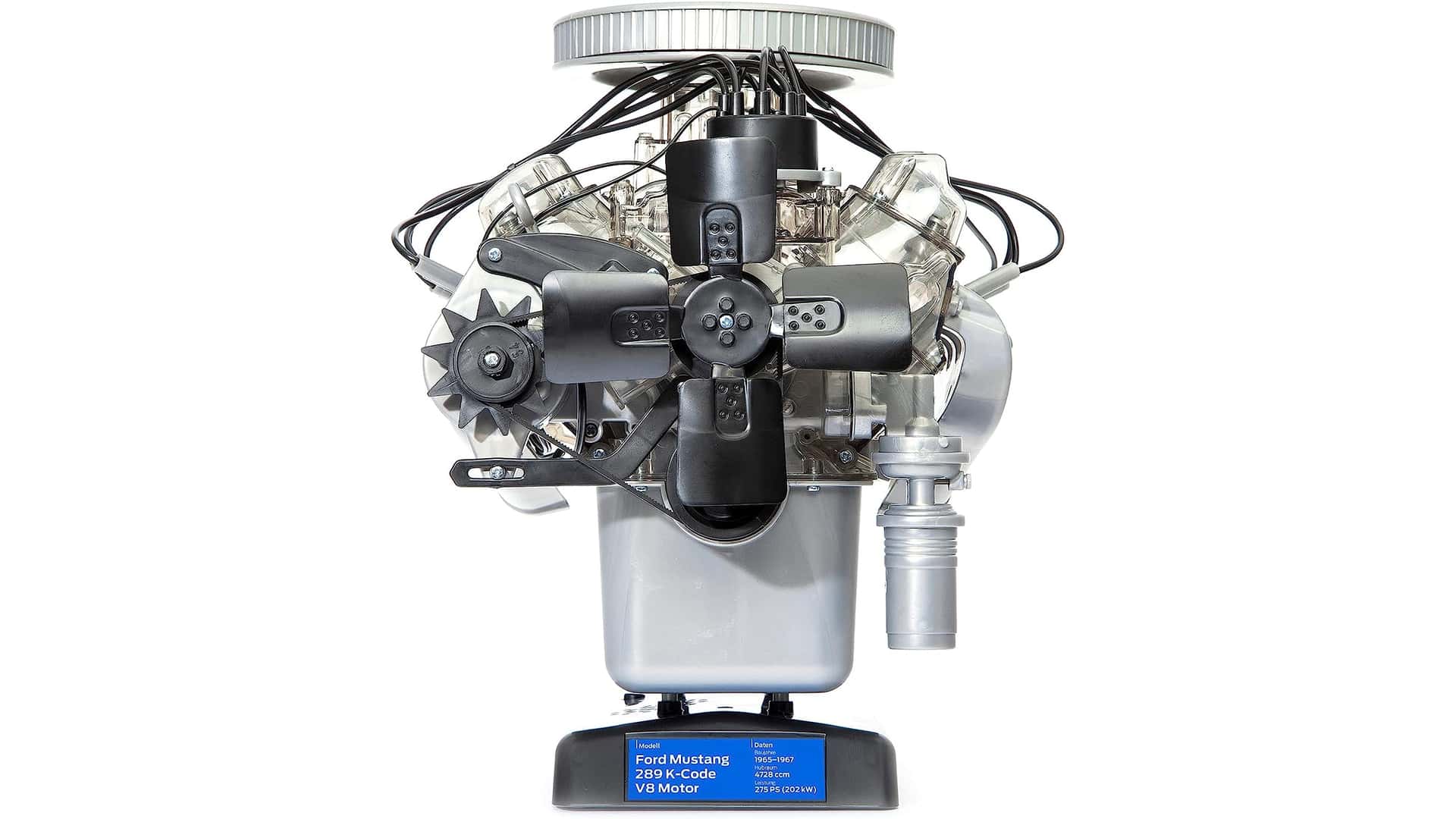
This article explores the most important mechanical engineering skills to learn, covering technical, analytical, digital, manufacturing, and interpersonal competencies that every mechanical engineer should develop for long-term success.
1. Fundamental Engineering Knowledge
Engineering Mathematics
Mathematics forms the backbone of mechanical engineering. Without a strong mathematical foundation, it is impossible to understand complex mechanical systems or perform accurate analysis.
Key areas include:
- Calculus (differential and integral)
- Linear algebra
- Differential equations
- Numerical methods
- Probability and statistics

Mechanical engineers rely on mathematics to model motion, heat transfer, fluid flow, vibrations, and structural behavior.
Engineering Physics
Physics is equally essential, especially in understanding how forces and energy interact in mechanical systems.
Core physics concepts include:
- Newtonian mechanics
- Thermodynamics
- Fluid mechanics
- Heat transfer
- Electromagnetism (basic understanding)
Strong physics skills allow engineers to design systems that are safe, efficient, and reliable.
2. Mechanical Design Skills
Computer-Aided Design (CAD)
CAD skills are among the most important mechanical engineering skills to learn. Modern engineering design is impossible without CAD software.
Commonly used CAD tools:
- AutoCAD
- SolidWorks
- CATIA
- Siemens NX
- PTC Creo
- Fusion 360
Mechanical engineers use CAD to:
- Create 2D drawings and 3D models
- Design components and assemblies
- Perform interference and tolerance checks
- Generate manufacturing drawings
Proficiency in CAD improves design accuracy, reduces errors, and accelerates product development.
Design for Manufacturing and Assembly (DFMA)
Designing a part is not enough—it must also be manufacturable and easy to assemble.
DFMA skills include:
- Minimizing part count
- Selecting appropriate manufacturing processes
- Designing for tolerances
- Reducing assembly time and cost
Engineers with strong DFMA skills help companies reduce production costs while improving quality and reliability.
Geometric Dimensioning and Tolerancing (GD&T)
GD&T is a standardized symbolic language used on engineering drawings to define allowable variations in part geometry.
Key benefits of GD&T:
- Clear communication between design and manufacturing
- Improved product quality
- Reduced scrap and rework
- Better functional control of assemblies
GD&T is especially critical in high-precision industries such as automotive, aerospace, and heavy manufacturing.
3. Manufacturing and Production Skills
Manufacturing Processes Knowledge
Understanding how products are made is a critical mechanical engineering skill.
Important manufacturing processes include:
- Casting
- Forging
- Machining (turning, milling, drilling)
- Welding and joining
- Sheet metal forming
- Injection molding
- Additive manufacturing (3D printing)
Mechanical engineers who understand manufacturing constraints can design better, more cost-effective products.
CNC Machining and CAM
Computer Numerical Control (CNC) machining is widely used in modern factories.
Essential skills include:
- Understanding CNC machine operation
- Basic G-code knowledge
- CAM software (Mastercam, Fusion 360, PowerMill)
- Tool selection and machining strategies
Even if not operating machines directly, engineers benefit from understanding CNC capabilities and limitations.
Lean Manufacturing and Six Sigma
Lean and Six Sigma principles help eliminate waste and improve process efficiency.
Key concepts include:
- Value stream mapping
- Kaizen
- 5S
- Root cause analysis
- Statistical process control (SPC)
These skills are especially valuable in manufacturing, automotive, mining, and industrial plants.
4. Materials Engineering Skills
Materials Selection
Choosing the right material is critical for product performance, safety, and cost.
Mechanical engineers must understand:
- Metals (steel, aluminum, copper alloys)
- Polymers
- Ceramics
- Composites
Selection criteria include:
- Strength
- Weight
- Corrosion resistance
- Cost
- Temperature limits
Proper materials selection directly impacts product lifespan and reliability.
Failure Analysis
Understanding why components fail helps prevent future failures.
Key failure modes include:
- Fatigue
- Creep
- Corrosion
- Wear
- Fracture
Failure analysis skills are essential in industries such as power generation, oil & gas, mining, and heavy equipment manufacturing.
5. Thermodynamics and Energy Systems
Thermodynamic Analysis
Thermodynamics is central to many mechanical engineering applications.
Engineers must understand:
- Energy conservation
- Heat engines
- Refrigeration cycles
- Power plants
- HVAC systems
Thermodynamic skills are essential for improving energy efficiency and reducing environmental impact.
Heat Transfer
Heat transfer knowledge is critical for designing systems that operate safely and efficiently.
Key modes include:
- Conduction
- Convection
- Radiation
Applications range from engine cooling systems to industrial furnaces and electronic device cooling.
6. Fluid Mechanics Skills
Fluid mechanics is essential in many mechanical engineering fields.
Applications include:
- Pumps and compressors
- Piping systems
- Hydraulic systems
- Pneumatic systems
- Turbines
Mechanical engineers must understand:
- Fluid flow behavior
- Pressure losses
- Flow measurement
- Cavitation prevention
These skills are especially important in manufacturing plants, refineries, and water treatment facilities.
7. Finite Element Analysis (FEA) and Simulation
Structural and Thermal Simulation
FEA allows engineers to simulate real-world conditions before building physical prototypes.
Common software tools:
- ANSYS
- Abaqus
- SolidWorks Simulation
- COMSOL
FEA skills help engineers:
- Predict stress and deformation
- Analyze vibration and fatigue
- Optimize designs
- Reduce development costs
Simulation skills are now considered essential in modern mechanical engineering.
8. Automation and Control Systems
Industrial Automation
Automation is transforming manufacturing and industrial operations.
Key automation skills include:
- PLC programming
- Sensors and actuators
- SCADA systems
- Robotics integration
Mechanical engineers often work alongside electrical and control engineers to design automated systems.
Mechatronics Knowledge
Mechatronics combines mechanical, electrical, and control engineering.
Skills include:
- Basic electronics
- Control theory
- Embedded systems
- System integration
Mechatronics skills are increasingly valuable in robotics, smart manufacturing, and advanced machinery.
9. Data Analysis and Digital Skills
Engineering Data Analysis
Modern engineers must work with large volumes of data.
Useful skills include:
- Excel (advanced)
- MATLAB
- Python (basic to intermediate)
- Statistical analysis
Data-driven decision-making improves maintenance, quality, and productivity.
Industry 4.0 and Digital Manufacturing
Industry 4.0 integrates digital technologies into manufacturing.
Important concepts include:
- Internet of Things (IoT)
- Predictive maintenance
- Digital twins
- Smart factories
Mechanical engineers who understand digital manufacturing gain a competitive edge.
10. Safety and Regulatory Knowledge
Engineering Safety Principles
Safety is non-negotiable in mechanical engineering.
Key areas include:
- Risk assessment
- Hazard analysis
- Machine guarding
- Lockout/tagout (LOTO)
- Pressure vessel safety
Engineers are responsible for designing systems that protect workers and the environment.
Standards and Codes
Understanding international standards is critical.
Common standards include:
- ISO
- ASME
- ASTM
- API
- IEC
Compliance ensures product quality, safety, and legal acceptance.
11. Project Management Skills
Engineering Project Planning
Mechanical engineers often lead or support complex projects.
Important skills include:
- Scheduling
- Budgeting
- Resource allocation
- Risk management
Project management skills help ensure projects are completed on time and within budget.
Cross-Functional Collaboration
Engineers must work with:
- Production teams
- Quality control
- Procurement
- Management
Strong collaboration skills improve efficiency and reduce misunderstandings.
12. Communication and Soft Skills
Technical Communication
Mechanical engineers must communicate clearly through:
- Technical reports
- Engineering drawings
- Presentations
- Emails and documentation
Clear communication reduces errors and improves teamwork.
Problem-Solving and Critical Thinking
Engineering is fundamentally about solving problems.
Effective engineers:
- Analyze root causes
- Evaluate multiple solutions
- Make data-driven decisions
Critical thinking skills distinguish great engineers from average ones.
Leadership and Adaptability
As engineers advance in their careers, leadership becomes increasingly important.
Key leadership skills include:
- Decision-making
- Mentoring
- Conflict resolution
- Adaptability to change
13. Sustainability and Green Engineering
Sustainable Design
Sustainability is becoming a core engineering requirement.
Mechanical engineers must consider:
- Energy efficiency
- Waste reduction
- Lifecycle analysis
- Renewable energy integration
Green engineering skills help companies meet environmental regulations and corporate responsibility goals.
Conclusion
The most important mechanical engineering skills to learn today go far beyond textbooks and formulas. While strong fundamentals in mathematics, physics, and mechanics remain essential, modern engineers must also master digital tools, manufacturing processes, automation, data analysis, and soft skills.
Mechanical engineers who continuously upgrade their skills are better prepared to face technological change, improve industrial performance, and contribute to sustainable development. Whether you work in manufacturing, mining, energy, or advanced technology, investing in these skills will ensure long-term career growth and professional success.
