
Discover how robotics automation is reshaping manufacturing jobs, from boosting productivity and safety to transforming workforce roles. Learn the real impact of automation on the manufacturing labor market and the future of industrial employment.
Introduction: How Robotics Is Transforming Modern Manufacturing
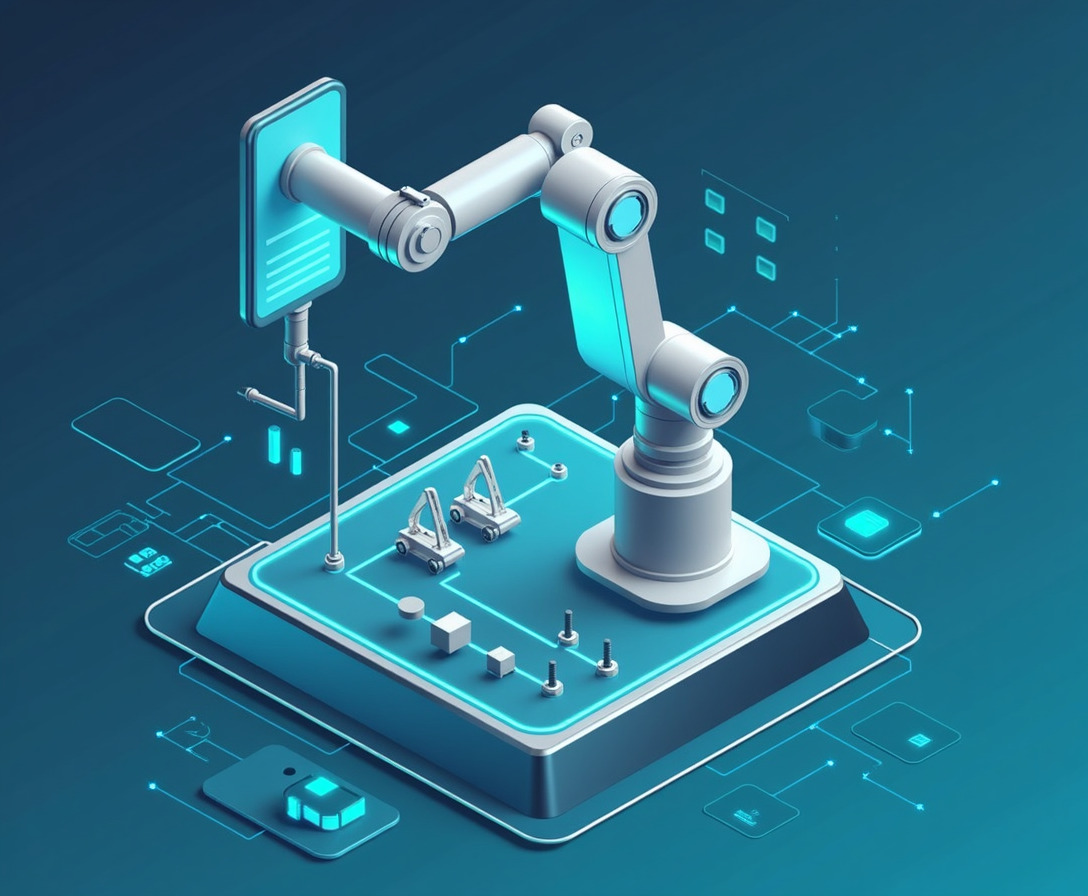
alwepo.com, Over the last decade, robotics automation has moved from being an optional technological upgrade to becoming a core driver of efficiency in manufacturing operations across the world. Advances in industrial robots, collaborative robots (cobots), AI-powered vision systems, and autonomous material-handling equipment have fundamentally reshaped production lines. While manufacturers celebrate gains in productivity and safety, workers and policymakers continue to debate whether automation replaces jobs or creates new opportunities.

This article explores the real impact of robotics automation on manufacturing jobs, how the labor market is evolving, the sectors most affected, and what the future of human–robot collaboration looks like.
What Is Robotics Automation in Manufacturing?
Robotics automation refers to the use of programmable machines to execute tasks such as assembly, welding, painting, packaging, inspection, and materials movement. These robots can function autonomously or in collaboration with human workers.
Types of Robotics Used in Manufacturing
-
Industrial Robots
-
Large, high-precision arms used in automotive, metalworks, and electronics.
-
Specialized in welding, stamping, assembly, and heavy-duty tasks.
-
-
Collaborative Robots (Cobots)
-
Smaller, safer robots designed to work beside humans.
-
Common in small and medium-sized manufacturers (SMEs).
-
-
Automated Guided Vehicles (AGVs) and Autonomous Mobile Robots (AMRs)
-
Used for material movement in warehouses and factories.
-
-
AI-Powered Inspection Robots
-
Equipped with vision systems for quality assurance and defect detection.
-
-
Robotic Process Automation (RPA)
-
Software-based automation that handles repetitive digital tasks.
-
Each type gives manufacturers greater accuracy, consistency, and speed—benefits that directly influence labor requirements.
Why Manufacturers Are Rapidly Adopting Robotics Automation
1. Labor Shortages in Manufacturing
Many industrialized countries face a significant shortage of skilled manufacturing workers. As experienced operators retire, fewer young workers are entering the sector. Robotics fills this gap by handling repetitive or physically demanding tasks.
2. Increased Global Competition
Manufacturers compete on cost, quality, and delivery speed. Robotics enables companies to scale up production while maintaining consistency.
3. Rising Demand for Quality and Customization
Modern consumers expect fast delivery and flawless products. Robots ensure precision and reduce defect rates.
4. Safety and Risk Reduction
Robots can perform dangerous tasks—welding, lifting heavy loads, handling chemicals—reducing workplace injuries.
5. Cost Efficiency Over Time
Although initial investment is high, long-term savings in labor costs, reduced downtime, and higher productivity make automation attractive.
Does Robotics Automation Replace Manufacturing Jobs?
This is one of the most debated questions in the industry. The answer: Yes, some jobs are replaced—but many others are transformed or newly created.
Jobs Most Likely to Be Replaced
Robotics automation tends to replace tasks that are:
- repetitive
- predictable
- labor-intensive
- dangerous
Examples include:
- packaging
- machine tending
- welding
- inspection
- palletizing
- assembling small components
Many of these jobs historically required minimal skills, making them vulnerable to automation.
Jobs Least Likely to Be Replaced
Jobs requiring:
- decision-making
- creativity
- complex problem-solving
- emotional intelligence
- multi-step troubleshooting
are much more secure.
These include:
- engineering roles
- quality control supervisors
- automation technicians
- maintenance specialists
- production planners
The Job Transformation Effect: From Operators to Technicians
While automation does eliminate certain manual roles, it also changes the nature of manufacturing work.
1. Demand Shifts Toward Technical Skills
Manufacturers increasingly need:
- robotics technicians
- automation engineers
- maintenance specialists
- data analysts
- AI programmers
These roles support, maintain, and optimize automated systems.
2. Human–Robot Collaboration
Cobots are specifically designed to enhance human productivity. Instead of replacing workers, they assist with:
- holding parts
- precision tasks
- lifting
- repetitive motions
Workers take on higher-value tasks while robots handle the heavy or monotonous work.
3. Upskilling and Reskilling Become Essential
Training programs help workers transition from manual labor to:
- robot operation
- programming
- troubleshooting
- safety management
This learning curve opens new career pathways.
Economic Impact of Robotics Automation on Employment
1. Productivity Gains Lead to More Jobs in the Long Term
Countries that invest heavily in manufacturing automation—like Germany, Japan, South Korea—consistently maintain strong manufacturing employment.
Why?
Because higher productivity increases:
- competitiveness
- exports
- innovation
- factory expansion
which ultimately creates more jobs.
2. Shift Toward High-Skill and High-Wage Jobs
Robotics often eliminates low-wage jobs but increases the proportion of:
- engineering roles
- technician roles
- digital manufacturing jobs
This shifts the labor market toward higher-paying and more stable employment.
3. Increased Demand in Robotics Ecosystem
Automation drives growth in:
- robot production
- integration services
- software development
- maintenance services
- training and education
Each creates thousands of new opportunities.
Impact by Industry Sector
Automotive
One of the earliest adopters of robotics. Nearly 50% of tasks in modern automotive plants involve automation. While assembly roles decreased, new roles in robotics maintenance and AI quality inspections have grown dramatically.
Electronics Manufacturing
Demand for precision and speed makes robotics ideal. Jobs in PCB assembly, component placement, and inspection increasingly involve automation—but technical jobs such as calibration, programming, and machine setup have surged.
Food & Beverage
Packaging, palletizing, and sorting tasks are increasingly automated. However, roles in quality testing, hygiene management, and system maintenance remain essential.
Metals and Heavy Machinery
Robots reduce risks in welding, cutting, and heavy lifting. Human roles shift to supervision, programming, and safety oversight.
Pharmaceutical Manufacturing
Robotics ensures sterility, consistency, and compliance. Workers move into roles involving validation, quality documentation, and regulatory processes.
The Skills Gap Challenge
Automation increases the demand for technical skills, but manufacturers face a growing skills gap.
Top Skills Needed in the Age of Robotics
- Robot programming
- Equipment troubleshooting
- Automation system integration
- Data analytics
- Digital manufacturing systems
- AI and machine-learning operation
- Preventive maintenance
Why the Skills Gap Is Growing
- Rapid robotics adoption outpaces worker training
- Ageing workforce retiring faster than replacements appear
- Misconception among young workers that manufacturing is outdated
- Lack of STEM education at scale
Solve the skills gap, and robotics becomes a job multiplier rather than a job killer.
The Human Advantages That Robots Cannot Replace
Despite advances in AI and robotics, humans remain uniquely capable of:
- creative thinking
- innovation
- strategic decision-making
- complex problem-solving
- empathy and leadership
- adapting to unpredictable conditions
Manufacturing still needs:
- supervisors
- managers
- engineers
- designers
- strategists
Robots do not replace the human role—they change it.
The Future of Manufacturing Jobs in the Next 10–20 Years
1. The Rise of Hybrid Workforces
Human–robot collaboration will become standard. Workers will manage and optimize robotic systems.
2. Autonomous Production Lines
AI will run entire production shifts with minimal human intervention. Humans will focus on maintenance, oversight, and improvement.
3. Digital Factories and Smart Manufacturing
IoT, connected machines, digital twins, and predictive maintenance will create a highly integrated workforce.
4. More High-Tech Roles
Expect increased demand for:
- automation engineers
- robotics technicians
- cybersecurity analysts
- industrial AI specialists
5. Lifelong Learning Becomes Mandatory
Workers must continually update skills to thrive in an evolving industry.
Benefits of Robotics Automation for Workers
1. Reduced Workplace Injuries
Robots take over:
- dangerous welding
- heavy lifting
- exposure to heat or chemicals
Workers shift to safer roles.
2. Higher Job Satisfaction
Removing repetitive, boring tasks allows workers to focus on meaningful activities like supervision, quality improvement, and optimization.
3. Opportunities for Career Advancement
Technical skills lead to better salaries, more stable careers, and long-term growth.
Challenges Faced by Workers and Employers
1. Risk of Job Loss
Low-skilled workers face the highest risk, especially in highly automated industries.
2. Cost of Training
Upskilling programs require time, money, and company resources.
3. Resistance to Change
Long-term employees may fear technology, creating psychological barriers.
4. Investment Costs
Small manufacturers struggle with the high upfront costs of robotics systems.
5. Ethical and Social Concerns
Society must balance automation benefits with long-term employment stability.
Strategies to Ensure Robotics Automation Creates Jobs—not Eliminates Them
For Companies
- Invest in employee upskilling programs
- Introduce automation gradually
- Foster a culture of collaboration
- Offer reskilling opportunities for displaced workers
- Use robotics to support—not replace—critical human roles
For Governments
- Subsidize technical education
- Support industrial training initiatives
- Provide tax incentives for companies maintaining workforce stability
- Encourage innovation-friendly policies
For Workers
- Embrace technology early
- Participate in training
- Gain digital and technical skills
- Adapt to role evolution
Collaboration between all stakeholders ensures that robotics leads to economic growth without sacrificing employment opportunities.
Conclusion: Robotics Automation Changes Jobs—But Does Not End Them
Robotics automation undeniably transforms manufacturing jobs, but it does not eliminate the need for human workers. Instead, it shifts work toward technical, supervisory, and high-skill roles. Companies that embrace automation alongside workforce development see improvements not only in productivity but also in worker satisfaction and job stability.
The future of manufacturing lies not in choosing between robots or humans—but in using both together to build smarter, safer, and more efficient factories.
