
alwepo.com, In modern industrial environments, transportation vehicles such as trucks, cars, and forklifts are essential for daily operations. From logistics centers and warehouses to construction sites and manufacturing plants, these vehicles enable productivity, efficiency, and supply chain continuity. However, they also represent some of the most dangerous equipment in the workplace when operated improperly.
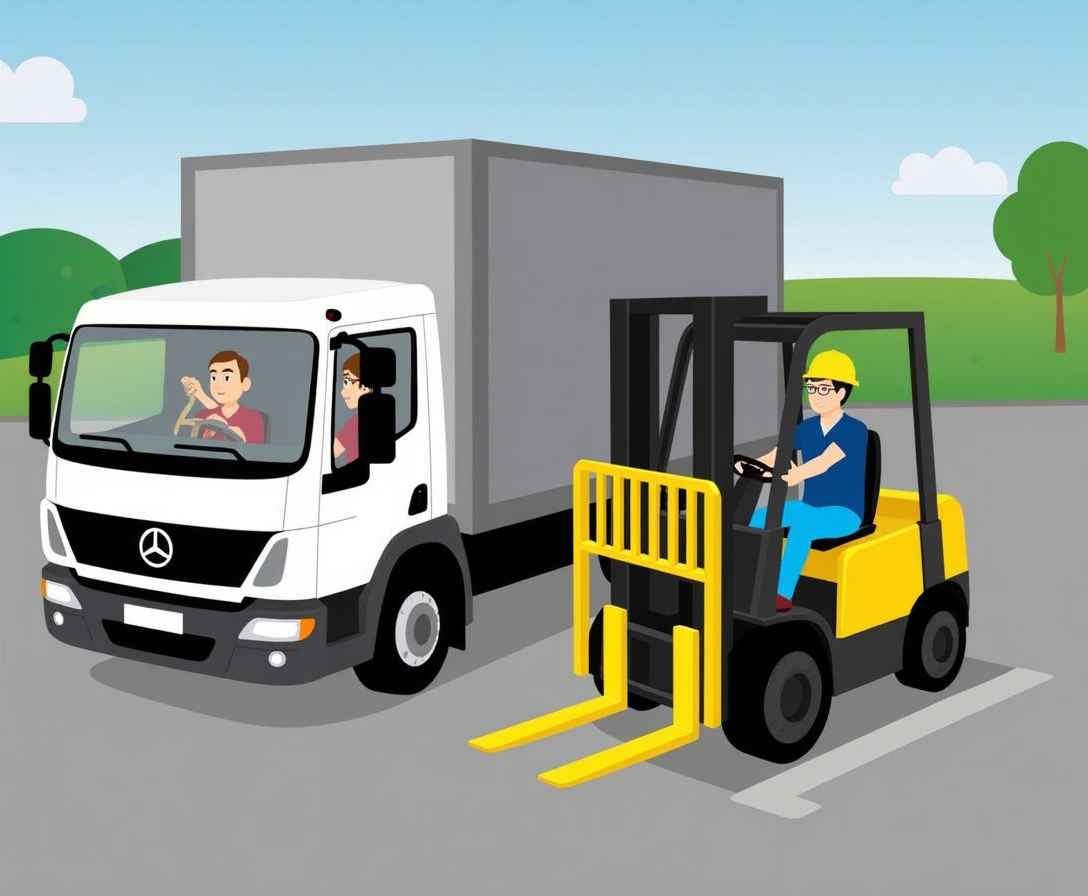
According to global occupational safety data, vehicle-related incidents are among the leading causes of workplace injuries and fatalities. Forklift accidents alone account for thousands of serious injuries each year, while truck and car accidents continue to dominate industrial and road-related fatality statistics.
The root cause of most of these incidents is not mechanical failure, but unsafe operator skills, poor decision-making, and lack of situational awareness. Understanding the most dangerous operator behaviors and skill gaps is essential for employers, safety managers, and operators themselves.
This article provides a comprehensive analysis of dangerous truck, car, and forklift operator skills, explains why they are hazardous, and outlines critical safety competencies required to reduce accidents, injuries, and costly downtime.
Why Operator Skills Matter More Than Equipment
Modern vehicles are equipped with advanced safety systems such as anti-lock braking systems (ABS), stability control, collision warnings, and load sensors. Despite these technological improvements, accidents still occur at alarming rates.
The Human Factor in Accidents

Studies consistently show that:
-
Over 80% of vehicle accidents are caused by human error
-
Poor judgment and unsafe behavior outweigh mechanical failure
-
Inadequate training increases accident risk exponentially
Vehicles do not make mistakes—operators do.
Dangerous Truck Operator Skills
Truck operators play a critical role in logistics, mining, construction, and industrial transport. Due to the size, weight, and momentum of trucks, even small mistakes can lead to catastrophic consequences.
1. Poor Speed Management
One of the most dangerous truck operator skills is inability to control speed appropriately.
Why It’s Dangerous:
-
Increased stopping distance
-
Reduced vehicle stability
-
Higher rollover risk
-
Severe collision impact
Truck operators often underestimate how load weight affects braking and handling. Driving too fast, especially downhill or on wet surfaces, significantly increases accident risk.
2. Inadequate Defensive Driving Skills
Defensive driving is essential for truck operators due to limited maneuverability and blind spots.
Common Mistakes:
-
Failing to anticipate other drivers’ behavior
-
Tailgating
-
Ignoring safe following distances
-
Poor hazard recognition
A lack of defensive driving skills often leads to preventable rear-end collisions and lane-change accidents.
3. Improper Load Securing Knowledge
Load shifting is one of the most underestimated hazards in truck operation.
Consequences of Poor Load Management:
-
Vehicle instability
-
Increased rollover risk
-
Cargo spills
-
Road hazards for other vehicles
Truck operators who lack proper load-securing skills put themselves and others at serious risk.
4. Fatigue and Poor Alertness Management
Fatigue is a silent killer in trucking operations.
Dangerous Behaviors Include:
-
Driving beyond legal hours
-
Ignoring rest requirements
-
Micro-sleep episodes
-
Slower reaction times
Fatigued truck operators have impaired judgment comparable to intoxicated drivers.
5. Lack of Environmental Awareness
Truck operators must constantly assess road, weather, and traffic conditions.
High-Risk Scenarios:
-
Driving in fog or heavy rain
-
Navigating narrow industrial roads
-
Operating near pedestrians or heavy machinery
Failure to adapt driving behavior to environmental conditions leads to accidents.
Dangerous Car Operator Skills in Industrial Environments
While cars may seem less dangerous than trucks, improper car operation in industrial zones poses serious risks.
1. Overconfidence and Risk-Taking
Passenger vehicle operators often underestimate risks in industrial environments.
Examples:
-
Speeding within factory or warehouse areas
-
Ignoring posted safety signs
-
Aggressive driving near heavy equipment
Overconfidence leads to unsafe decisions and collisions.
2. Poor Awareness of Industrial Traffic Rules
Industrial sites have different rules compared to public roads.
Common Errors:
-
Not yielding to forklifts or heavy vehicles
-
Driving in restricted zones
-
Parking in emergency access routes
Car operators unfamiliar with industrial traffic protocols create dangerous interactions.
3. Distracted Driving
Mobile phones, infotainment systems, and in-cab distractions are major risk factors.
Distractions Include:
-
Texting or calling
-
Adjusting GPS systems
-
Eating while driving
Even a few seconds of distraction can result in serious accidents in high-risk environments.
4. Inadequate Reversing Skills
Reversing incidents are common in parking areas, loading zones, and warehouses.
Risks:
-
Striking pedestrians
-
Colliding with equipment
-
Damaging infrastructure
Poor spatial awareness and failure to use mirrors properly increase reversing accidents.
5. Lack of Pedestrian Awareness
Car operators often fail to recognize pedestrian vulnerability.
High-Risk Areas:
-
Loading docks
-
Maintenance zones
-
Warehouse entrances
Failure to prioritize pedestrian safety leads to serious injuries or fatalities.
Dangerous Forklift Operator Skills
Forklifts are among the most dangerous industrial vehicles, despite their relatively small size.
1. Poor Load Handling Skills
Improper load handling is the leading cause of forklift accidents.
Common Mistakes:
-
Overloading the forklift
-
Carrying unstable or uneven loads
-
Lifting loads too high while moving
Improper load handling increases the risk of tip-overs and falling objects.
2. Excessive Speed and Aggressive Maneuvering
Forklifts are not designed for speed.
Dangerous Behaviors:
-
Sharp turns at high speed
-
Sudden braking
-
Racing through aisles
Aggressive forklift operation leads to loss of control and collisions.
3. Inadequate Awareness of Stability Triangle
Many operators lack understanding of the forklift’s stability principles.
Risks Include:
-
Forward tip-over
-
Lateral rollover
-
Load instability
Failure to respect the stability triangle results in severe accidents.
4. Poor Pedestrian Interaction Skills
Forklift-pedestrian accidents are often fatal.
Common Issues:
-
Not using horns at intersections
-
Poor visibility due to loads
-
Failing to stop for pedestrians
Operators must treat pedestrian safety as a top priority.
5. Unsafe Operating on Ramps and Slopes
Forklifts are highly unstable on inclines.
Dangerous Practices:
-
Driving sideways on ramps
-
Turning on slopes
-
Carrying loads downhill incorrectly
Improper ramp operation dramatically increases tip-over risk.
Common Dangerous Skills Across All Vehicle Operators
1. Lack of Situational Awareness
Situational awareness involves understanding:
-
Surroundings
-
Potential hazards
-
Movement of people and equipment
Poor situational awareness is a universal cause of accidents.
2. Inadequate Communication Skills
Failure to communicate intentions leads to collisions.
Examples:
-
Not using turn signals
-
Ignoring hand signals
-
Poor radio communication
Clear communication prevents confusion and accidents.
3. Ignoring Safety Procedures
Some operators view safety procedures as obstacles to productivity.
Risky Attitudes:
-
Skipping inspections
-
Ignoring PPE requirements
-
Bypassing safety checks
This mindset significantly increases accident probability.
4. Poor Emergency Response Skills
When incidents occur, operators must respond correctly.
Skill Gaps Include:
-
Panic reactions
-
Incorrect braking or steering
-
Failure to report incidents
Proper emergency response training saves lives.
Consequences of Dangerous Operator Skills
Unsafe operator skills result in:
-
Serious injuries and fatalities
-
Equipment damage
-
Production downtime
-
Legal liabilities
-
Increased insurance costs
-
Reputational damage
For businesses, these consequences translate into millions in losses annually.
Critical Safety Skills Every Operator Must Master
1. Hazard Identification and Risk Assessment
Operators must continuously assess risks before and during operation.
2. Defensive and Predictive Driving
Anticipating hazards and maintaining safe distances is essential.
3. Proper Load Management
Understanding load limits, balance, and securing techniques prevents accidents.
4. Speed and Stability Control
Operating within safe speed limits ensures vehicle stability.
5. Communication and Team Awareness
Coordination with pedestrians and other operators reduces conflicts.
Role of Training and Certification
Proper training is the most effective accident prevention tool.
Effective Training Programs Include:
-
Classroom theory
-
Practical hands-on operation
-
Hazard simulation
-
Periodic refresher training
-
Performance evaluation
Certified operators demonstrate significantly lower accident rates.
Technology as a Supporting Tool, Not a Replacement
Modern safety technologies support but do not replace operator skills.
Examples include:
-
Speed limiters
-
Proximity sensors
-
Fatigue monitoring systems
-
Telematics and behavior tracking
Technology is effective only when paired with skilled operators.
Building a Strong Safety Culture
Organizations must promote a safety-first mindset.
Key Elements:
-
Leadership commitment
-
Clear safety policies
-
Open reporting culture
-
Continuous improvement
A strong safety culture reduces dangerous behaviors.
Future Trends in Operator Safety
Emerging trends include:
-
AI-assisted driving systems
-
Virtual reality training
-
Autonomous vehicle integration
-
Predictive safety analytics
Despite technological advancements, human skills remain critical.
Conclusion
Dangerous truck, car, and forklift operator skills remain a leading cause of industrial accidents worldwide. Speeding, poor situational awareness, inadequate load handling, fatigue, and weak communication skills significantly increase risk across all vehicle types.
Preventing accidents requires more than equipment upgrades—it demands competent, well-trained, and safety-conscious operators. By identifying dangerous behaviors and investing in skill development, organizations can protect lives, reduce costs, and ensure long-term operational sustainability.
In industrial transportation, skill is safety—and safety is non-negotiable.
