
Circular Manufacturing is transforming global industry through sustainable production, closed-loop supply chains, and resource efficiency. Learn principles, technologies, benefits, challenges, and future trends.

Circular Manufacturing has become a strategic priority for manufacturers navigating a rapidly changing industrial landscape. Rising raw material costs, geopolitical supply chain disruptions, stricter environmental regulations, and growing ESG expectations are forcing companies to rethink how products are designed, produced, used, and recovered.
Traditional manufacturing models are no longer viable in a world facing climate change, resource depletion, and environmental degradation. Circular Manufacturing offers a solution by aligning economic growth with sustainability, enabling manufacturers to create value while minimizing waste and emissions.
This comprehensive guide explores Circular Manufacturing in depth—covering its principles, technologies, real-world applications, economic and environmental benefits, implementation strategies, and future trends shaping global industry.
What Is Circular Manufacturing?
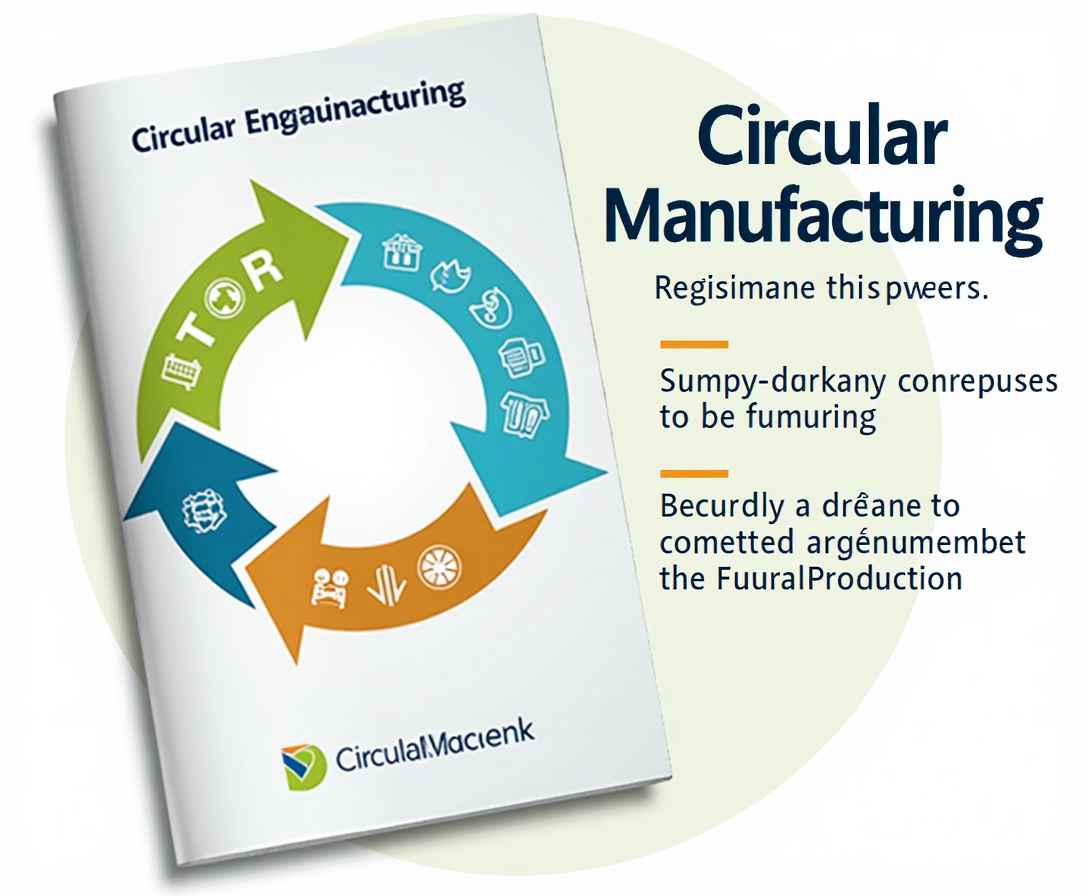

Circular Manufacturing is a production approach rooted in circular economy principles, where materials, components, and products remain in continuous use through reuse, refurbishment, remanufacturing, and recycling.
Instead of extracting raw materials, manufacturing products, and discarding them at end-of-life, Circular Manufacturing closes the loop by recovering value at every stage of the product lifecycle.
Key Objectives of Circular Manufacturing
-
Eliminate waste and pollution
-
Extend product lifespan
-
Optimize resource efficiency
-
Reduce carbon footprint
-
Improve supply chain resilience
Evolution from Linear to Circular Manufacturing
The Linear Manufacturing Model
The linear model follows a one-way flow:
Extract → Produce → Consume → Dispose
This model has several critical drawbacks:
-
High material consumption
-
Large volumes of industrial waste
-
Dependence on finite resources
-
Environmental degradation
-
Cost volatility
The Circular Manufacturing Model
Circular Manufacturing replaces linear flows with closed loops:
Design → Produce → Use → Recover → Regenerate
Materials continuously circulate within the production system, reducing the need for virgin resources and minimizing waste.
Core Principles of Circular Manufacturing
1. Circular Product Design
Products are designed for durability, modularity, repairability, and recyclability. Standardized components allow easy disassembly and replacement.
2. Material Optimization
Manufacturers prioritize renewable, recyclable, and recycled materials to reduce environmental impact.
3. Closed-Loop Supply Chains
Post-consumer products and production scrap are collected and reintroduced into manufacturing processes.
4. Waste as a Resource
Industrial waste, by-products, and excess materials are repurposed instead of discarded.
5. Lifecycle Ownership
Manufacturers take responsibility for products throughout their lifecycle, including take-back and end-of-life recovery.
Technologies Powering Circular Manufacturing
Industrial Internet of Things (IIoT)
IIoT enables real-time monitoring of machines, materials, and products, improving efficiency and reducing waste.
Artificial Intelligence (AI)
AI optimizes production scheduling, predicts material degradation, and supports remanufacturing decisions.
Digital Twins
Digital twins simulate manufacturing processes and product lifecycles to test circular strategies virtually.
Additive Manufacturing (3D Printing)
3D printing reduces material waste and supports repair and remanufacturing of components.
Advanced Recycling Systems
Automated sorting, chemical recycling, and material recovery technologies enhance circularity.
Circular Manufacturing Across Industries
Automotive Manufacturing
-
Remanufactured engines and gearboxes
-
Recycled aluminum and steel
-
Modular vehicle platforms
Electronics Industry
-
E-waste recovery programs
-
Rare earth material recycling
-
Refurbished consumer electronics
Aerospace and Defense
-
Component life extension
-
Precision remanufacturing
-
High-value material recovery
Heavy Industry & Machinery
-
Equipment take-back programs
-
Spare part remanufacturing
-
Lifecycle service models
Economic Benefits of Circular Manufacturing
Lower Production Costs
Reusing materials and components significantly reduces raw material expenses.
Improved Supply Chain Stability
Circular systems reduce dependence on volatile global supply chains.
Increased Asset Value
Products designed for longevity and reuse retain value longer.
New Revenue Streams
Remanufacturing, refurbishment, and service-based models generate recurring income.
Environmental Benefits
Circular Manufacturing delivers measurable environmental impact reduction:
-
Lower greenhouse gas emissions
-
Reduced landfill waste
-
Decreased water usage
-
Improved energy efficiency
-
Conservation of natural resources
Circular Manufacturing and ESG Compliance
Circular Manufacturing directly supports ESG frameworks:
Environmental
-
Carbon footprint reduction
-
Waste minimization
-
Sustainable resource use
Social
-
Safer working conditions
-
Responsible sourcing
-
Community engagement
Governance
-
Transparency
-
Lifecycle accountability
-
Regulatory compliance
Regulatory Drivers and Global Policies
Governments worldwide promote circularity through:
-
Extended Producer Responsibility (EPR)
-
Carbon taxes and emissions caps
-
Recycling mandates
-
Sustainability reporting standards
Circular Manufacturing helps companies remain compliant and competitive.
Implementation Challenges
Capital Investment
Modernizing equipment and systems requires upfront investment.
Supply Chain Complexity
Closed-loop systems demand collaboration across multiple stakeholders.
Material Quality Variability
Recycled materials may require advanced quality control.
Organizational Change
Successful adoption requires cultural and operational transformation.
Best Practices for Circular Manufacturing Adoption
-
Start with pilot projects
-
Invest in digital technologies
-
Redesign products incrementally
-
Build supplier partnerships
-
Track circularity KPIs
Circular Manufacturing KPIs and Metrics
-
Material Circularity Indicator (MCI)
-
Waste-to-landfill ratio
-
Carbon intensity per unit
-
Recycled content percentage
-
Product lifecycle cost
Future Trends in Circular Manufacturing
Circular-by-Design Products
Circularity embedded from the design stage.
Product-as-a-Service (PaaS)
Manufacturers retain ownership and control lifecycle.
Autonomous Circular Factories
AI-driven optimization of material flows.
Blockchain for Traceability
Transparent tracking of materials and components.
Why Circular Manufacturing Is a Competitive Advantage
Companies adopting Circular Manufacturing:
-
Reduce costs
-
Improve resilience
-
Meet regulatory demands
-
Enhance brand reputation
-
Drive innovation
Circular Manufacturing is not a trend—it is the future of industrial production.
Conclusion
Circular Manufacturing represents a fundamental shift in how products are designed, produced, and managed throughout their lifecycle. By adopting circular principles, manufacturers can achieve sustainability, profitability, and long-term resilience simultaneously.
As environmental pressures and market expectations continue to rise, Circular Manufacturing will become the industry standard rather than the exception.
FAQ About Circular Manufacturing
What is Circular Manufacturing?
Circular Manufacturing is a sustainable production model that focuses on reusing, recycling, and remanufacturing materials to minimize waste and resource consumption.
How does Circular Manufacturing differ from traditional manufacturing?
Traditional manufacturing follows a linear model, while Circular Manufacturing uses closed-loop systems to retain material value.
What industries benefit most from Circular Manufacturing?
Automotive, electronics, aerospace, heavy machinery, and consumer goods industries benefit significantly.
Is Circular Manufacturing cost-effective?
Yes. It reduces material costs, improves supply chain resilience, and creates new revenue streams.
How does Circular Manufacturing support ESG goals?
It reduces environmental impact, enhances transparency, and promotes responsible resource management.
