
Biomanufacturing is reshaping global industry through biotechnology, sustainability, and innovation. Learn how bio-based manufacturing is driving the future of medicine, energy, and industrial production.
alwepo.com, Biomanufacturing Revolution – Biomanufacturing is rapidly emerging as one of the most transformative forces in modern industry. By integrating biology, engineering, and advanced manufacturing technologies, biomanufacturing enables the production of materials, chemicals, medicines, and energy using living systems or biological processes. This innovative approach is redefining how products are designed, produced, and scaled—offering solutions that are more sustainable, efficient, and adaptable than traditional manufacturing methods.
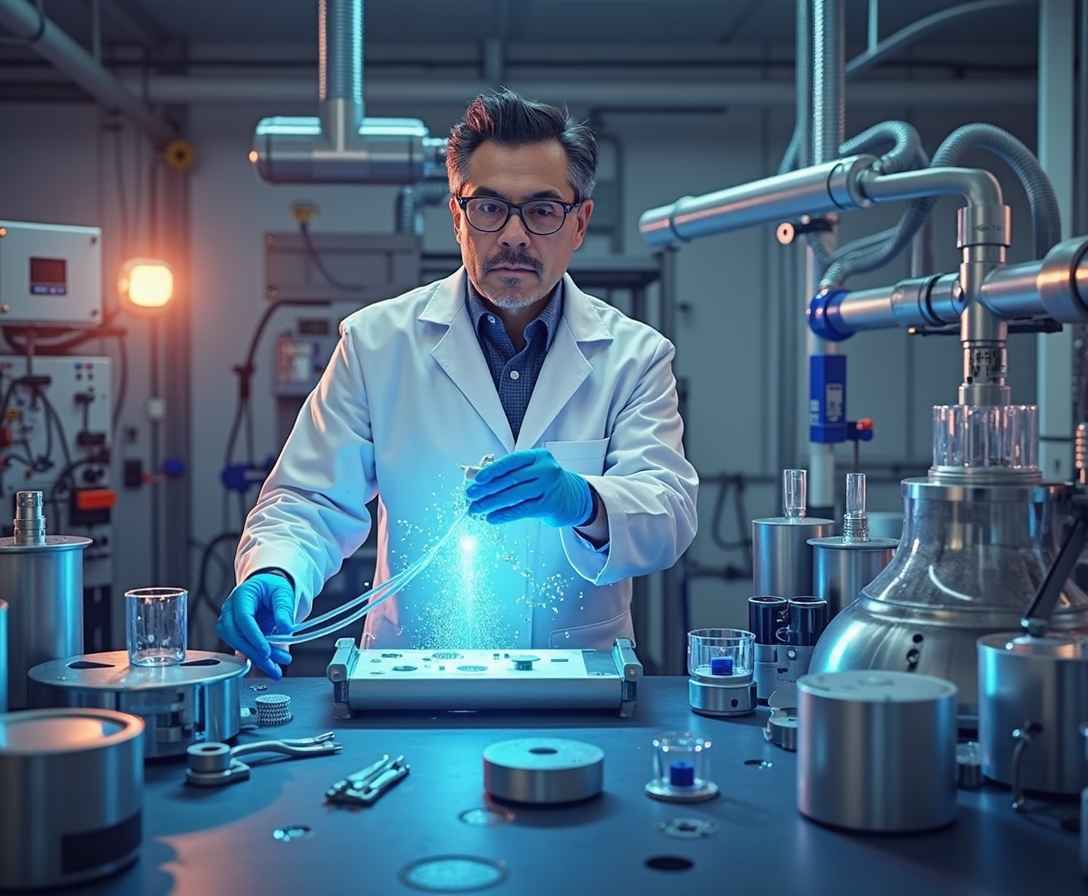
As global industries face mounting pressure to reduce carbon emissions, minimize waste, and develop resilient supply chains, biomanufacturing stands at the forefront of innovation. Governments, research institutions, and private companies worldwide are investing heavily in this field, recognizing its potential to revolutionize healthcare, agriculture, chemicals, energy, and consumer goods manufacturing.
This article explores biomanufacturing in depth—its definition, core technologies, applications, benefits, challenges, and future outlook—while highlighting why it is considered the next frontier for industrial innovation.
What Is Biomanufacturing?
Biomanufacturing refers to the use of biological systems—such as microorganisms, enzymes, plant cells, or animal cells—to produce commercially valuable products at industrial scale. Unlike conventional manufacturing, which relies heavily on petrochemicals and high-energy processes, biomanufacturing leverages natural biological pathways to create complex molecules with precision and efficiency.
At its core, biomanufacturing combines:
-
Biotechnology
-
Genetic engineering
-
Process engineering
-
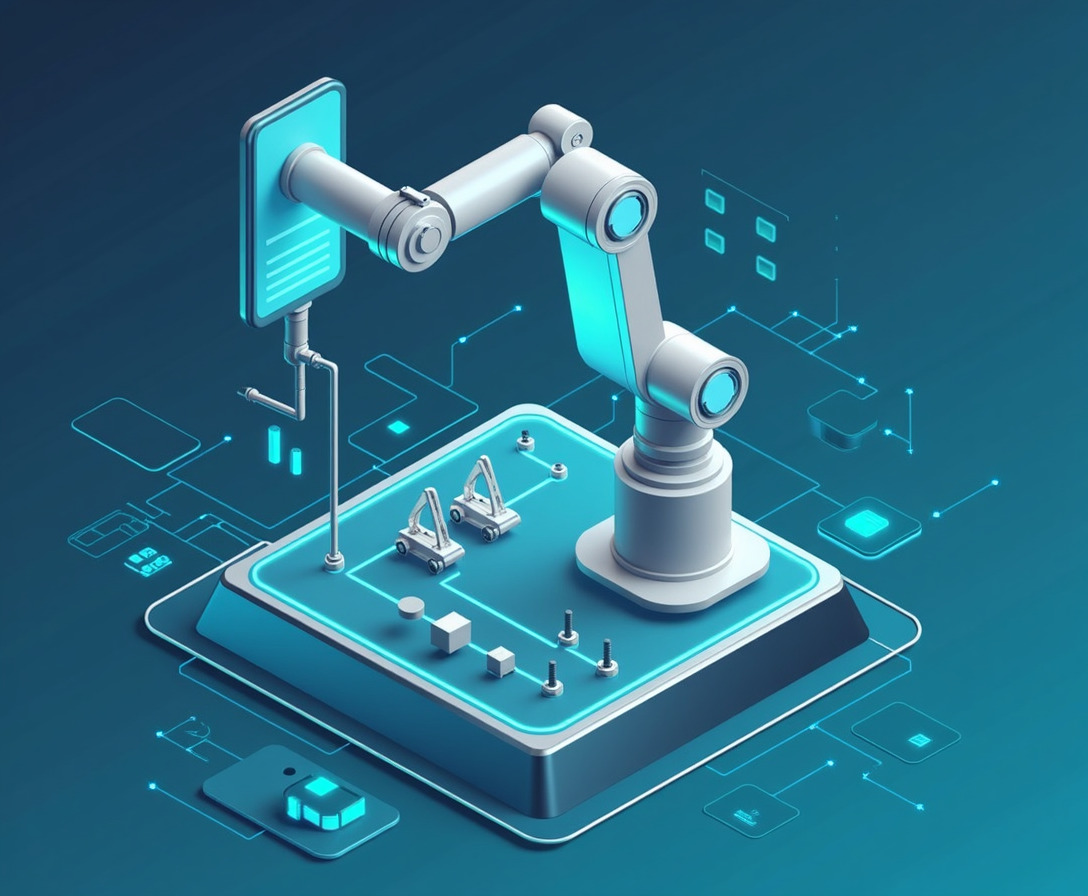
Automation and digital manufacturing
-
Advanced analytics and AI
These elements work together to optimize biological processes, enabling consistent, scalable, and cost-effective production.
The Evolution of Biomanufacturing
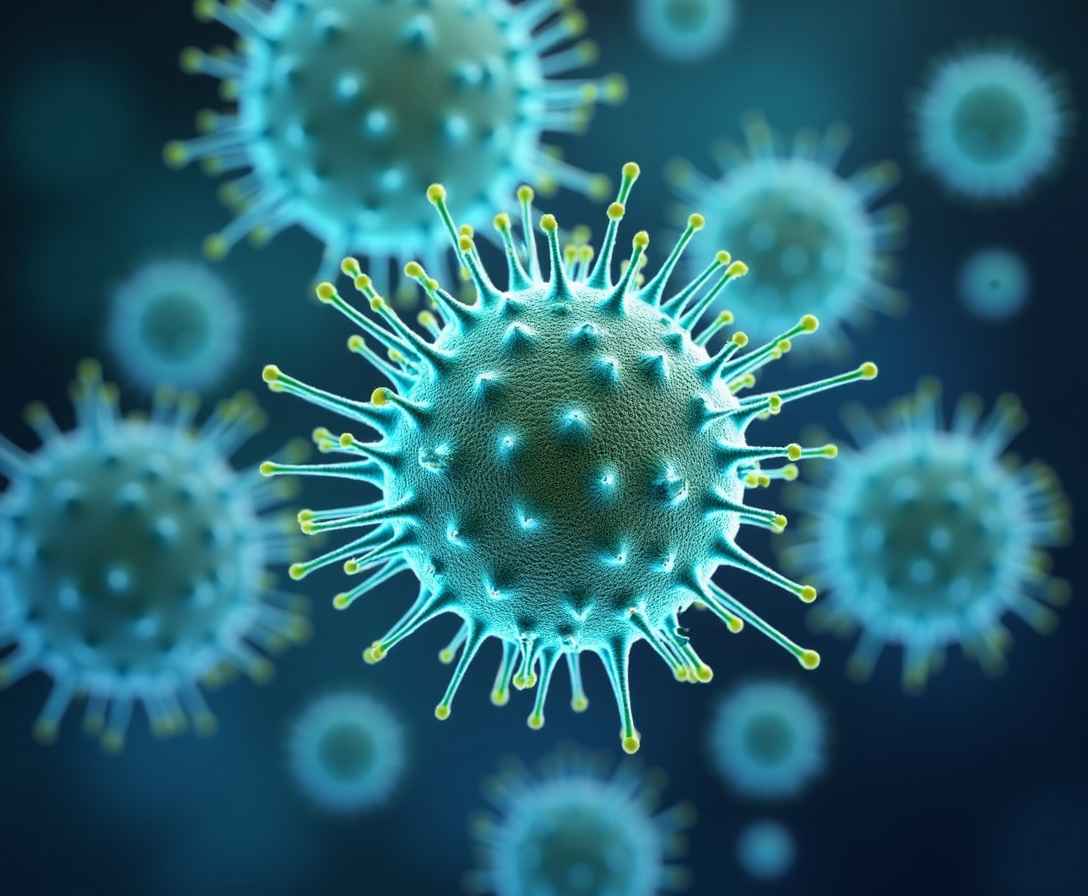
Biomanufacturing did not emerge overnight. It is the result of centuries of human interaction with biological systems, evolving from simple fermentation practices to highly sophisticated, digitally controlled industrial processes. Understanding this evolution helps explain why biomanufacturing is now considered a critical pillar of future industrial innovation.
1. Early Biomanufacturing
Origins in Traditional Fermentation
The earliest form of biomanufacturing can be traced back thousands of years, long before the concept of microorganisms was scientifically understood. Ancient civilizations discovered that natural biological processes could transform raw materials into more useful, stable, and valuable products.
Fermentation was the cornerstone of early biomanufacturing. Humans learned through observation and experimentation that allowing certain foods to ferment improved taste, shelf life, and nutritional value.
Common early biomanufactured products included:
-
Bread, produced using yeast fermentation to generate carbon dioxide for leavening
-
Beer and wine, created through the fermentation of sugars by yeast into alcohol
-
Cheese and yogurt, produced using lactic acid bacteria to convert lactose into lactic acid
Although early producers did not understand the microbiology behind these processes, they effectively harnessed living organisms to carry out controlled biochemical reactions.
Key Characteristics of Early Biomanufacturing
Early biomanufacturing had several defining traits:
-
Empirical knowledge rather than scientific understanding
-
Natural microbial cultures, often reused across generations
-
Small-scale, artisanal production
-
Minimal process control, relying on environmental conditions
Despite these limitations, early biomanufacturing established core principles still used today, such as fermentation, inoculation, and batch processing.
Foundational Impact on Modern Bioprocessing
These early practices laid the groundwork for modern biomanufacturing in several ways:
-
Demonstrated that biological systems could reliably produce valuable products
-
Introduced the concept of controlled biological transformation
-
Encouraged preservation and standardization of biological cultures
Without these foundational techniques, modern bioprocess engineering would not exist.
2. Industrial Biotechnology Era
Scientific Breakthroughs in Microbiology
The industrial biotechnology era began in the late 19th and early 20th centuries, driven by major advances in microbiology, chemistry, and engineering. Scientists such as Louis Pasteur established that microorganisms were responsible for fermentation, transforming fermentation from an art into a science.
This new scientific understanding allowed researchers to:
-
Identify specific microorganisms
-
Isolate pure microbial strains
-
Control growth conditions precisely
These breakthroughs made large-scale, repeatable biomanufacturing possible.
The Discovery of Antibiotics
One of the most transformative moments in biomanufacturing history was the discovery of penicillin by Alexander Fleming in 1928. During World War II, industrial-scale fermentation was developed to mass-produce penicillin, saving millions of lives.
This achievement demonstrated that:
-
Microbial fermentation could be scaled industrially
-
Biological processes could produce complex, life-saving molecules
-
Collaboration between science, industry, and government could accelerate innovation
Penicillin became a model for future pharmaceutical biomanufacturing.
Expansion into Vaccines and Enzymes
Following antibiotics, biomanufacturing expanded into:
-
Vaccines, using cultured viruses or bacteria to stimulate immunity
-
Industrial enzymes, applied in detergents, textiles, food processing, and biofuels
Microbial fermentation enabled consistent production of high-purity biological products, replacing less reliable animal- or plant-derived sources.
Industrial Fermentation Infrastructure
This era also saw the development of:
-
Large stainless-steel bioreactors
-
Sterilization and contamination control systems
-
Downstream processing techniques such as filtration and chromatography
These engineering advances transformed biomanufacturing into a reliable industrial process.
Impact on Healthcare and Industry
The industrial biotechnology era fundamentally changed:
-
Healthcare, by enabling mass production of medicines
-
Pharmaceutical manufacturing, shifting from chemical synthesis to biologics
-
Industrial efficiency, through enzyme-based processing
Biomanufacturing became a strategic industrial capability rather than a niche technology.
3. Modern Biomanufacturing
Integration of Synthetic Biology
Modern biomanufacturing is defined by the rise of synthetic biology, which allows scientists to design and program biological systems with unprecedented precision.
Instead of relying on naturally occurring organisms, researchers can now:
-
Rewrite genetic code
-
Engineer metabolic pathways
-
Create organisms optimized for specific products
Microorganisms can be designed to produce pharmaceuticals, specialty chemicals, biofuels, and advanced materials.
Automation and Digital Transformation
Automation has revolutionized modern biomanufacturing. Advanced facilities now use:
-
Robotic handling systems
-
Real-time sensors and process analytics
-
Automated quality control
Digital tools such as digital twins, machine learning, and AI-driven optimization enable predictive process control, reducing waste and improving yield.
Rapid Scaling and Flexibility
Modern biomanufacturing allows for rapid scale-up and adaptation. Modular bioreactors and flexible manufacturing platforms enable producers to switch between products quickly, responding to market demands or emergency needs, such as vaccine production during pandemics.
Expansion Beyond Pharmaceuticals
Unlike earlier eras, modern biomanufacturing extends far beyond healthcare into:
-
Materials science (bioplastics, biofibers)
-
Industrial chemicals (bio-based solvents, polymers)
-
Energy (advanced biofuels, biogas)
-
Consumer products (cosmetics, food ingredients, cleaning agents)
This diversification reflects the versatility of biological production systems.
Sustainability and Circular Economy
Modern biomanufacturing aligns strongly with sustainability goals by:
-
Using renewable feedstocks
-
Operating at lower energy intensities
-
Converting waste streams into valuable products
These capabilities position biomanufacturing as a key enabler of the circular economy and net-zero manufacturing strategies.
Core Technologies Powering Biomanufacturing
Modern biomanufacturing is driven by a convergence of biological science, engineering, and digital technology. These core technologies work together to transform living systems into reliable, scalable, and high-performance production platforms. Each plays a distinct yet interconnected role in enabling industrial-scale biological manufacturing.
1. Synthetic Biology
Definition and Core Concept
Synthetic biology is a multidisciplinary field that applies engineering principles to biology. Instead of relying on naturally occurring biological behavior, scientists design, build, and optimize biological systems to perform specific, predictable functions.
At its foundation, synthetic biology treats DNA as programmable code. By designing genetic sequences, researchers can instruct cells to behave like microscopic factories.
Rewriting Genetic Code
Through synthetic biology, scientists can:
-
Insert new genes
-
Remove unwanted genetic pathways
-
Modify regulatory elements that control gene expression
This allows precise control over:
-
Which proteins are produced
-
When they are produced
-
How much is produced
For example, microbes can be programmed to synthesize pharmaceuticals, enzymes, or specialty chemicals that would be difficult or expensive to create through chemical synthesis.
Standardization and Modularity
One of the major innovations in synthetic biology is the use of standardized biological parts, such as promoters, ribosome binding sites, and genetic circuits. These components can be combined in modular ways, similar to electronic components, enabling faster development and easier optimization.
Impact on Biomanufacturing
Synthetic biology dramatically reduces development time and increases production efficiency. It enables:
-
Rapid strain development
-
Higher product yields
-
Custom-designed organisms for specific industrial applications
This technology is foundational to next-generation biomanufacturing.
2. Cell Culture and Fermentation
Role of Cell Culture in Biomanufacturing
Cell culture and fermentation are the physical environments where biomanufacturing takes place. Cells—whether microbial, plant, or mammalian—are grown under controlled conditions to produce desired biological products.
Different cell types are used depending on the application:
-
Bacteria and yeast for enzymes, biofuels, and chemicals
-
Mammalian cells for therapeutic proteins and vaccines
-
Plant cells for specialized metabolites
Bioreactors as Controlled Ecosystems
Bioreactors are engineered vessels that provide optimal growth conditions. They regulate:
-
Temperature
-
pH
-
Dissolved oxygen
-
Nutrient availability
-
Agitation and mixing
Advanced bioreactors are equipped with real-time sensors that continuously monitor these parameters, ensuring consistent and reproducible production.
Advanced Fermentation Technologies
Modern fermentation systems support:
-
Batch processes for flexibility
-
Fed-batch processes for high productivity
-
Continuous fermentation for efficiency and scalability
Precise control over environmental conditions allows cells to operate at peak performance, maximizing output while minimizing waste.
Importance to Product Quality
Cell culture conditions directly influence product quality, structure, and activity. Even minor fluctuations can affect protein folding or purity, making precise fermentation control essential for regulatory compliance, especially in pharmaceutical manufacturing.
3. Bioprocess Engineering
Optimization of Production Systems
Bioprocess engineering focuses on designing and optimizing the entire production workflow, from raw materials to final product. Engineers analyze biological, chemical, and mechanical factors to improve performance and scalability.
Key objectives include:
-
Maximizing yield
-
Reducing production costs
-
Ensuring consistent quality
Upstream and Downstream Processing
Bioprocess engineering covers both:
-
Upstream processing, including cell growth and product formation
-
Downstream processing, which involves separating, purifying, and formulating the final product
Downstream operations often include filtration, centrifugation, chromatography, and drying—steps that can account for a significant portion of total production cost.
Scalability and Manufacturing Readiness
Processes must be scalable from laboratory to industrial volumes without losing efficiency or quality. Bioprocess engineers design systems that perform reliably across different scales, ensuring smooth technology transfer to manufacturing plants.
Quality Control and Compliance
Bioprocess engineering integrates quality assurance into every stage, ensuring products meet strict regulatory standards. This includes validation, documentation, and process consistency—critical factors for regulated industries such as pharmaceuticals and food production.
4. Automation and Digitalization
The Rise of Smart Biomanufacturing
Automation and digitalization have transformed biomanufacturing into a data-driven industry. Modern facilities rely on interconnected systems that monitor and control processes in real time.
Automation reduces human error and improves operational consistency by handling:
-
Material transfer
-
Sampling
-
Cleaning and sterilization
-
Equipment calibration
Sensors and Real-Time Monitoring
Advanced sensors continuously collect data on:
-
Cell density
-
Nutrient consumption
-
Metabolite formation
-
Process deviations
This data enables rapid response to changes, preventing failures and improving yields.
AI, Machine Learning, and Digital Twins
Artificial intelligence and machine learning analyze complex datasets to identify patterns and optimize process parameters. Digital twins—virtual replicas of physical bioprocesses—allow engineers to simulate scenarios, predict outcomes, and optimize performance without disrupting production.
Operational and Economic Benefits
Digitalization improves:
-
Process efficiency
-
Product consistency
-
Equipment utilization
-
Time-to-market
It also supports predictive maintenance, reducing downtime and operational costs.
5. Gene Editing Technologies
Precision Genetic Modification
Gene editing technologies, particularly CRISPR-Cas9, have revolutionized how organisms are engineered for biomanufacturing. These tools allow scientists to make precise, targeted changes to DNA with unprecedented accuracy.
Accelerating Strain Development
Gene editing enables:
-
Faster creation of high-performance strains
-
Removal of metabolic bottlenecks
-
Enhanced tolerance to industrial conditions
Compared to traditional genetic modification methods, CRISPR significantly reduces development timelines.
Improving Productivity and Stability
Edited organisms can be optimized to:
-
Produce higher concentrations of target products
-
Maintain stability over long production cycles
-
Reduce by-product formation
These improvements directly translate into lower costs and higher manufacturing efficiency.
Regulatory and Ethical Considerations
While powerful, gene editing requires careful oversight. Regulatory frameworks ensure safety, traceability, and ethical use, especially for applications involving food, medicine, and environmental release.
Key Applications of Biomanufacturing
Pharmaceuticals and Healthcare
Biomanufacturing is essential for producing:
-
Vaccines
-
Monoclonal antibodies
-
Insulin and hormones
-
Cell and gene therapies
These biologics are critical for treating cancer, autoimmune diseases, and rare genetic disorders.
Industrial Chemicals
Bio-based chemicals such as organic acids, solvents, and polymers are increasingly replacing petrochemical-based alternatives. This shift reduces environmental impact and dependency on fossil fuels.
Biofuels and Renewable Energy
Biomanufacturing supports the production of bioethanol, biodiesel, biogas, and advanced biofuels. Engineered microorganisms can convert biomass into energy-rich fuels efficiently.
Food and Agriculture
Applications include:
-
Alternative proteins (cultivated meat, precision fermentation)
-
Biofertilizers
-
Biopesticides
-
Feed additives
These innovations enhance food security while reducing environmental damage.
Advanced Materials
Biomanufacturing enables the production of biodegradable plastics, bio-based textiles, and high-performance materials inspired by nature, such as spider silk proteins.
Benefits of Biomanufacturing
Sustainability and Environmental Impact
Biomanufacturing significantly reduces greenhouse gas emissions, energy consumption, and chemical waste. Many processes use renewable feedstocks and operate at lower temperatures and pressures.
Precision and Efficiency
Biological systems can produce complex molecules with remarkable accuracy, reducing the need for extensive chemical processing.
Supply Chain Resilience
Localized biomanufacturing facilities reduce dependency on global supply chains and improve responsiveness to market demands.
Innovation and Customization
Biomanufacturing enables rapid prototyping and customization, allowing companies to adapt products for specific applications or markets.
Economic Growth
The biomanufacturing sector creates high-skilled jobs and drives investment in research, infrastructure, and education.
Challenges Facing Biomanufacturing
While biomanufacturing holds immense promise for transforming global industry, its widespread adoption is accompanied by a unique set of technical, economic, regulatory, and societal challenges. Understanding these obstacles is essential for organizations, policymakers, and investors seeking to scale biomanufacturing responsibly and effectively.
1. Scale-Up Complexity
From Laboratory to Industrial Scale
One of the most significant challenges in biomanufacturing is translating successful laboratory-scale processes into reliable industrial-scale production. Conditions that work well in small bioreactors do not always behave the same way when volumes increase from liters to thousands of cubic meters.
Biological systems are inherently complex and sensitive. Microorganisms and cells can respond differently to changes in:
-
Mixing efficiency
-
Oxygen transfer rates
-
Nutrient gradients
-
Shear forces
-
Temperature uniformity
These factors become increasingly difficult to control as scale increases.
Unpredictable Biological Behavior
Unlike mechanical systems, living cells can mutate, adapt, or change their metabolic behavior under stress. At large scale, even minor environmental variations can lead to:
-
Reduced product yield
-
Formation of unwanted by-products
-
Cell death or instability
-
Batch-to-batch variability
This unpredictability introduces risk into production planning and cost estimation.
Engineering and Process Integration Challenges
Scaling up also requires precise integration of biological performance with mechanical systems, including agitation, aeration, and heat removal. Designing bioreactors that maintain optimal conditions at industrial scale demands advanced engineering expertise and extensive validation.
2. High Initial Investment
Capital-Intensive Infrastructure
Biomanufacturing facilities require substantial upfront capital investment. Compared to conventional manufacturing plants, biomanufacturing infrastructure is more complex and specialized, often including:
-
Sterile production environments
-
Advanced bioreactors and control systems
-
Clean rooms and containment facilities
-
Downstream processing and purification equipment
These requirements significantly increase construction and commissioning costs.
Operational and Compliance Costs
Beyond physical infrastructure, biomanufacturing incurs high operational expenses related to:
-
Raw materials and growth media
-
Energy and water usage
-
Quality assurance systems
-
Regulatory documentation and validation
In regulated sectors such as pharmaceuticals and food, compliance costs can be substantial and ongoing.
Investment Risk and Long Payback Periods
The combination of high capital costs and technical uncertainty can result in long payback periods. This makes biomanufacturing investments less attractive for risk-averse stakeholders, particularly in early-stage or emerging markets.
3. Regulatory and Quality Control
Strict Regulatory Frameworks
Biomanufactured products—especially biologics, vaccines, and cell-based therapies—are subject to stringent regulatory oversight. Agencies require comprehensive documentation to ensure product safety, efficacy, and traceability.
Regulatory requirements often include:
-
Good Manufacturing Practice (GMP) compliance
-
Process validation and revalidation
-
Batch consistency and stability testing
-
Full traceability of materials and processes
Ensuring Consistency and Reproducibility
Maintaining consistent product quality is particularly challenging in biomanufacturing due to the variability of biological systems. Small process deviations can affect:
-
Protein structure
-
Biological activity
-
Purity and potency
Ensuring reproducibility across batches and facilities requires robust monitoring, control, and quality management systems.
Global Regulatory Differences
Different regions have varying regulatory standards, complicating global manufacturing and distribution. Harmonizing processes to meet multiple regulatory frameworks increases complexity and cost.
4. Talent and Workforce Gaps
Demand for Multidisciplinary Expertise
Biomanufacturing requires professionals with expertise across multiple domains, including:
-
Molecular biology and genetics
-
Chemical and biochemical engineering
-
Automation and robotics
-
Data science and bioinformatics
-
Quality assurance and regulatory affairs
Finding individuals who can bridge these disciplines is challenging.
Skills Shortage and Training Needs
The rapid growth of the biomanufacturing sector has outpaced the availability of trained personnel. Many regions face shortages of experienced bioprocess engineers, operators, and regulatory specialists.
Additionally, continuous technological evolution requires ongoing workforce training to keep skills current.
Impact on Operational Efficiency
Workforce gaps can lead to:
-
Slower scale-up and commercialization
-
Increased risk of operational errors
-
Higher labor costs
-
Reduced competitiveness
Developing talent pipelines through education, training programs, and industry-academic partnerships is critical.
5. Public Perception and Ethics
Concerns Around Genetic Engineering
Public concerns about genetic modification and synthetic biology can influence acceptance of biomanufactured products. Misunderstandings about genetic engineering may lead to skepticism or resistance, particularly in food and environmental applications.
Biosecurity and Safety Issues
The use of engineered organisms raises legitimate concerns about:
-
Accidental release into the environment
-
Dual-use research risks
-
Misuse of biological technologies
Addressing these concerns requires strong governance, transparency, and safety protocols.
Ethical and Policy Implications
Ethical considerations—including data ownership, environmental impact, and equitable access to biomanufactured products—play a growing role in shaping public policy and investment decisions.
Clear communication, responsible innovation, and inclusive policymaking are essential for building public trust.
The Role of AI and Digital Technologies
Artificial intelligence plays a growing role in biomanufacturing by:
-
Optimizing strain design
-
Predicting process outcomes
-
Automating quality control
-
Reducing time-to-market
Machine learning models analyze vast datasets from bioreactors, improving yields and reducing failures.
Biomanufacturing and Sustainability Goals
Biomanufacturing aligns closely with global sustainability initiatives, including:
-
Net-zero emissions targets
-
Circular economy models
-
ESG (Environmental, Social, Governance) frameworks
By converting waste streams into valuable products, biomanufacturing supports circular manufacturing principles and resource efficiency.
Global Trends and Government Support
Many governments recognize biomanufacturing as a strategic industry:
-
The United States has launched national biomanufacturing initiatives
-
The European Union supports bioeconomy programs
-
Asian countries are investing heavily in biotech infrastructure
Public-private partnerships accelerate innovation and commercialization.
Future Outlook of Biomanufacturing
The future of biomanufacturing is highly promising. Key trends include:
-
Fully automated biofactories
-
Integration with Industry 4.0
-
Expansion of decentralized manufacturing
-
Breakthroughs in synthetic biology
-
Greater adoption across traditional industries
As technologies mature, biomanufacturing will become more accessible, cost-effective, and scalable.
Why Biomanufacturing Is the Next Frontier for Innovation
Biomanufacturing represents a fundamental shift in how humanity produces goods. By harnessing the power of biology, industries can move beyond the limitations of conventional manufacturing. This approach not only supports economic growth but also addresses some of the world’s most pressing challenges—climate change, healthcare access, and resource scarcity.
Innovation in biomanufacturing is not just about new products; it is about redefining industrial systems for a sustainable future.
Conclusion
Biomanufacturing stands at the intersection of science, technology, and sustainability, representing a fundamental shift in how industries design, produce, and deliver value. By harnessing the power of living systems and advanced engineering, biomanufacturing moves beyond the limitations of traditional, resource-intensive manufacturing models. It introduces a new paradigm where biological precision, digital intelligence, and environmental responsibility converge to redefine industrial innovation.
As the next frontier for innovation, biomanufacturing offers transformative potential across a wide range of industries—including pharmaceuticals, healthcare, energy, chemicals, agriculture, materials science, and consumer goods. Its ability to produce complex molecules with high efficiency, reduced waste, and lower carbon footprints makes it uniquely suited to address global challenges such as climate change, supply chain disruption, and the growing demand for sustainable products. Moreover, the integration of synthetic biology, automation, and artificial intelligence enables faster development cycles, scalable production, and unprecedented levels of customization.
Despite its promise, biomanufacturing is not without challenges. Technical complexity, scale-up risks, regulatory requirements, and workforce readiness remain significant hurdles. However, these challenges are increasingly being addressed through sustained investment in research and infrastructure, stronger collaboration between academia and industry, supportive government policies, and rapid advancements in digital and biological technologies. As tools such as gene editing, smart bioreactors, and data-driven process optimization continue to mature, the barriers to adoption will continue to decline.
Organizations that embrace biomanufacturing today position themselves at the forefront of industrial transformation. Early adopters gain strategic advantages in innovation speed, cost efficiency, supply chain resilience, and sustainability performance. In a future where environmental responsibility and operational flexibility are no longer optional but essential, biomanufacturing will serve as a key enabler of long-term competitiveness and growth.
Ultimately, biomanufacturing is more than a technological advancement—it is a strategic foundation for the next generation of manufacturing. Companies, governments, and innovators that invest in this evolving ecosystem will help shape a future where industry operates in harmony with nature, delivering economic value while supporting a more sustainable and resilient global economy.
